We use some cookies to make this website work. With your permission we would also like to use cookies that help us understand how the website is used and measure our advertising. You can accept or reject these, or choose which ones to allow.
Our first edition of XP Unpacked celebrated the transformative power of our distinct educational model at XP Trust, connecting together stories of student and staff growth through Crew and Learning Expeditions with profound reflections from our professional learning journey at Jeff Tech High in San Diego. Through feature insights from our friend and advocate Ron Berger, student narratives on the life-changing impact of public Presentations of Learning, and reflections on the necessity of “doing the project first,” the articles collectively highlighted our culture of craftsmanship, purpose, and student agency. By showcasing everything from local community projects in Doncaster to international partnerships across the world, the publication reinforces the our commitment to creating a “Rebel Alliance” of educators who prioritise character, creativity, and the belief that all students are capable of producing beautiful, meaningful work.
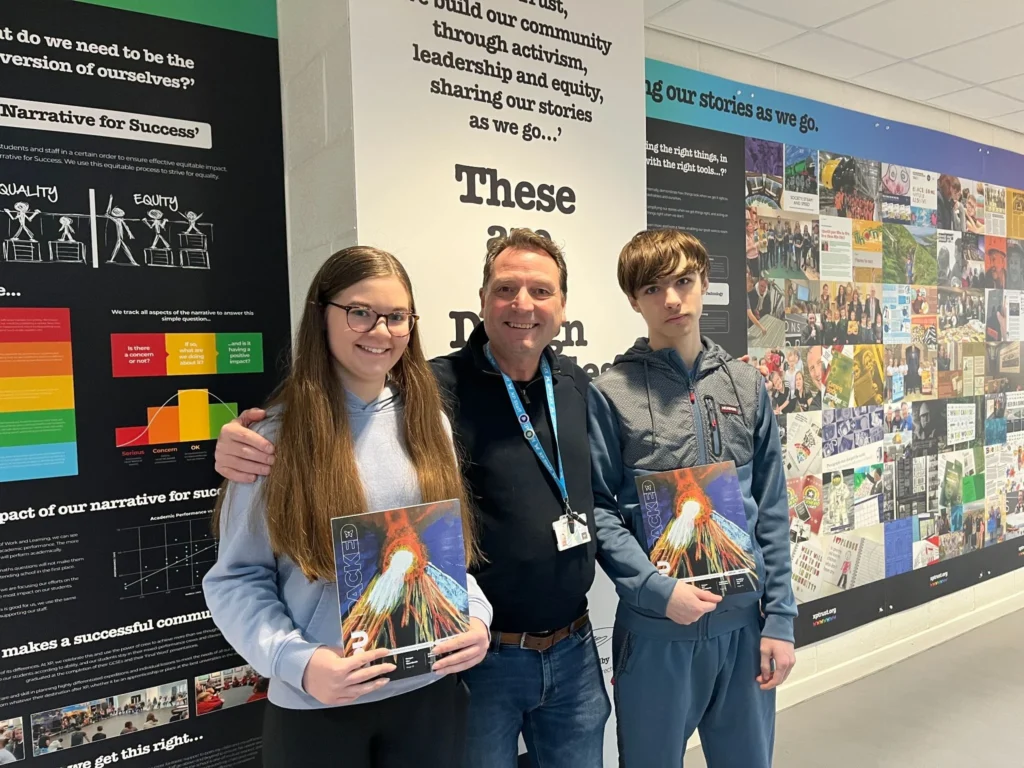
The cover was an abstract from the Upper Key Stage Two Learning Expedition from Summer 2025 entitled, ‘Earth Shattering Events’ – a stunning example of beautiful work which can be still be found as a resource on the Magna Science Museum website showing how outward facing and purposeful our products can be and the positive impact they have on our community.
The cover highlighted beautiful work by students from Carcroft Primary
The first issue included articles from staff and students from across the Trust as well as contributions from key international partners like Ron Berger, Jeff Robin from the USA and Val Westwell and Mandi Dimitriadis from the Education Department of the South Australian Government. A digital copy of the magazine can be accessed from our website and hard copies are available to purchase from our online XP Shop. The magazine went around the world to Europe, Australia, Asia and the USA. It was a significant publication that showcased the positive impact XP is having to on our local and international community.
By showcasing everything from local community projects in Doncaster to international partnerships across the world, the publication reinforces the our commitment to creating a “Rebel Alliance” of educators who prioritise character, creativity, and the belief that all students are capable of producing beautiful, meaningful work.
The article submitted by Ron Berger for the first edition of XP Unpacked
I am now requesting submission of articles for our next edition of the magazine and encourage all staff and partners to elevate our significant and important work for both a local and also an international audience. The main focus of issue two will be on Learning Expeditions to celebrate our ‘Year of the Expedition’ but if you have another story you want to share, don’t hesitate to do so!
I’ve linked the guidance and deadlines for submission here.
And remember, this opportunity is open to all staff across our Trust: Admin staff, Comms, Teachers, Learning Coaches, and Leaders.
At XP, our first week back looks a little bit different. Across our Trust, students and staff have been working hard to build and reestablish the most important part of our culture – Crew.
At XP Trust, the first week back across all of our schools focuses exclusively on Crew. Crew is our culture and we invest time after the long summer break to return to the fundamentals of Crew. The strongest examples of engaging with Crew can be seen when activities have been carefully planned to challenge and support students to reflect deeply on their character and how this will help them to build their resilience and courage to face the challenges ahead with others.
The strongest examples of engaging with Crew can be seen when activities have been carefully planned to challenge and support students to reflect deeply on their character
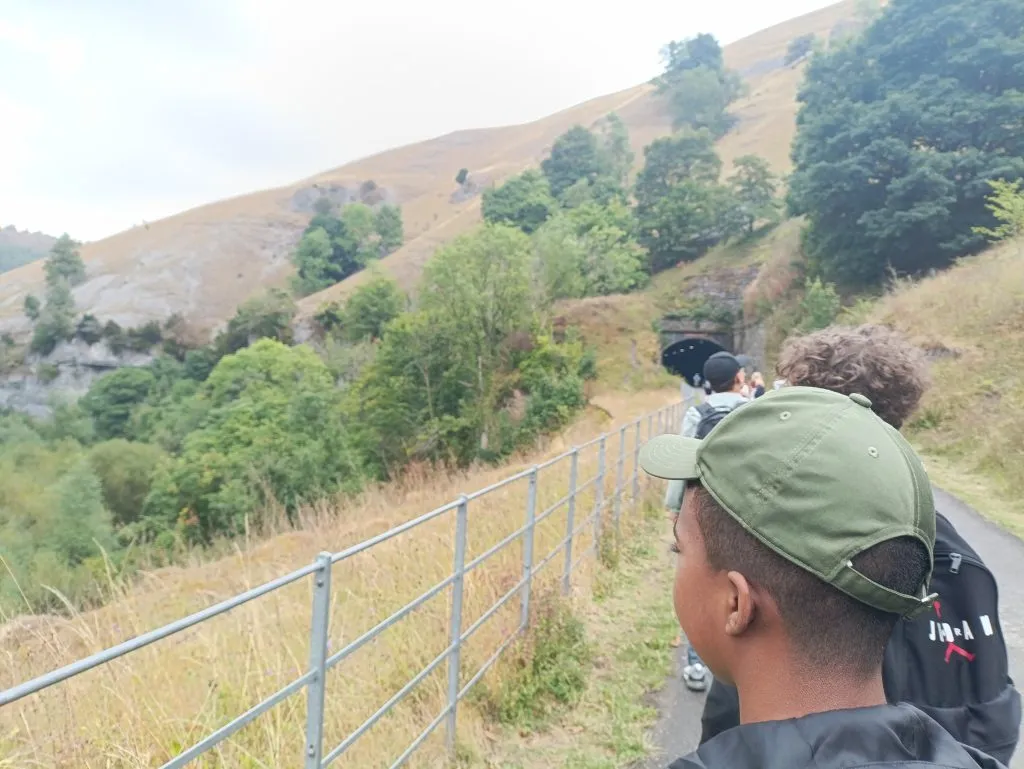
On Wednesday morning, students in Year 9 at XP and XP East were preparing for a walk on the Monsal Trail in Derbyshire and they were certainly up for the 12K challenge. I spoke to a number who were not only excited to be back at school with friends but also keen to bond again with their Crews in a shared challenge and experience. It was lovely to see students helping each other for the day ahead. Whilst this preparation was taking place Students in Year 8 were designing a PE kit and relating that to our Character Traits and HOWLs, thinking carefully about imagery and design. In addition, Year 10 were also busily writing CVs in readiness for ‘mock interviews’ hosted by local businesses and partners later that afternoon to give them a taste of what is like once you enter the workplace.
I spoke to Charlie a student in Year 10 just after her ‘interview’ and she spoke positively about the activity. This is what she had to say!
“I was nervous but it was a valuable experience. I know it will help me in the future.’
Year 11 at this point were engaged in sessions concerning developing study skills and revision strategies. Highly engaged in retention strategies. Note taking, mind mapping in timed activities. In the History session students showed real integrity with some acknowledging that they weren’t yet in good study habits. There was a palpable will to rectify this and begin their final year with a real focus on producing their best.
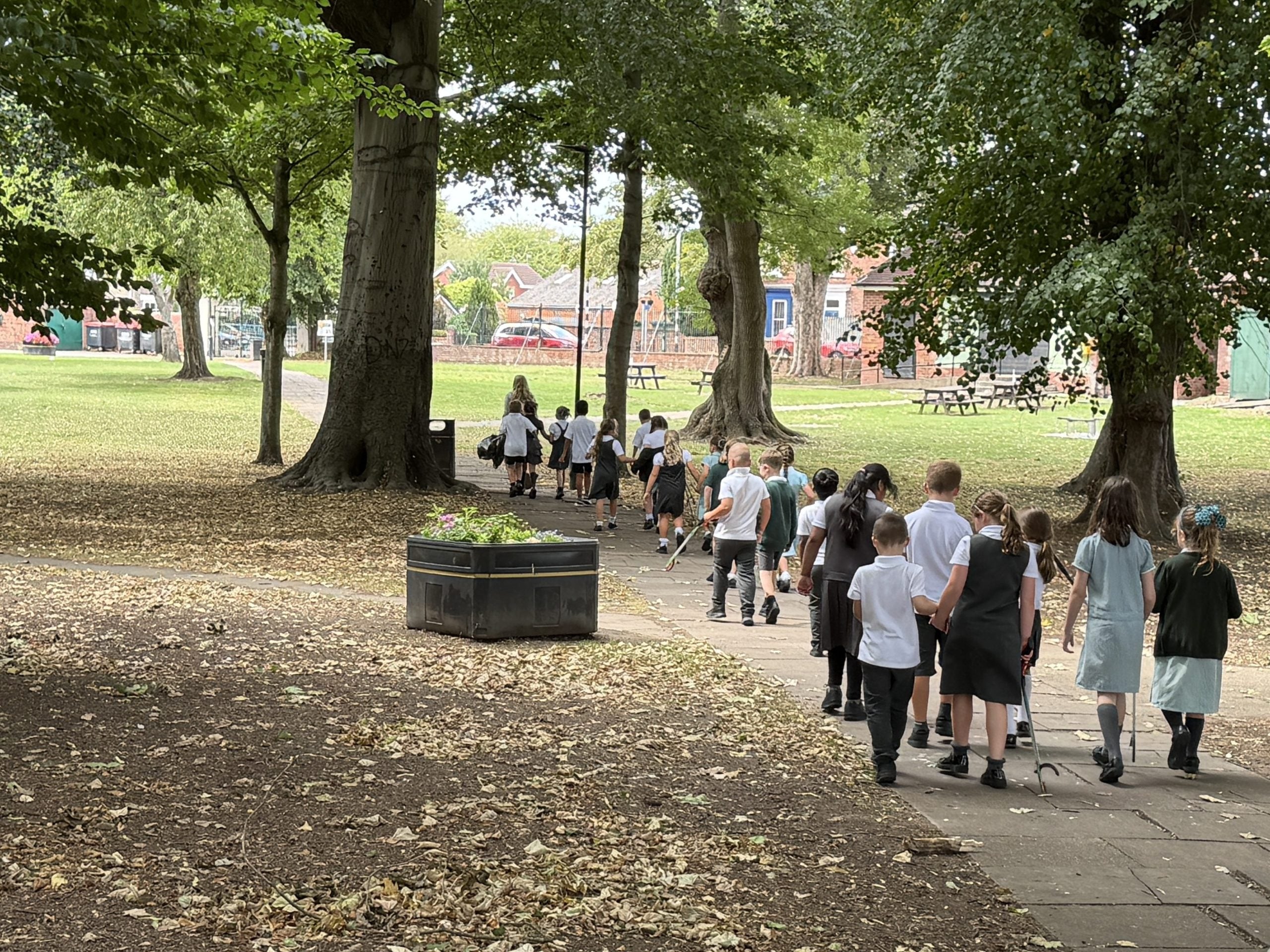
In the afternoon, at Green Top, I joined the Lower Key Stage Two Crew as they headed out to be stewards of the community by litter picking in the local park. The young people worked hard to pick up any litter, although the park, whilst not perfect, was in pretty good shape! Students worked together with purpose but the highlight of the afternoon for me was when a member of the community, who was walking through the park with her elderly mother, stopped us and asked what we were doing. She was full of praise for our environmentalists saying, ‘It’s lovely to see young people tidying the community, I thought that was what you were doing and I’m thrilled to see you showing such respect and care. Keep up the good work!’
The most significant and impactful part of the day, however, was when we returned to school and Robyn, one of the class teachers, debriefed the activity with the children. They spoke eloquently about how the activity related to Crew and how by working together they could see, hear and feel the positive difference they had made to their community. It was another reminder of the importance of reflecting on our learning so that we can make connections, deepen understanding and make pledges for the future.
They could see, hear and feel the positive difference they had made to their community.
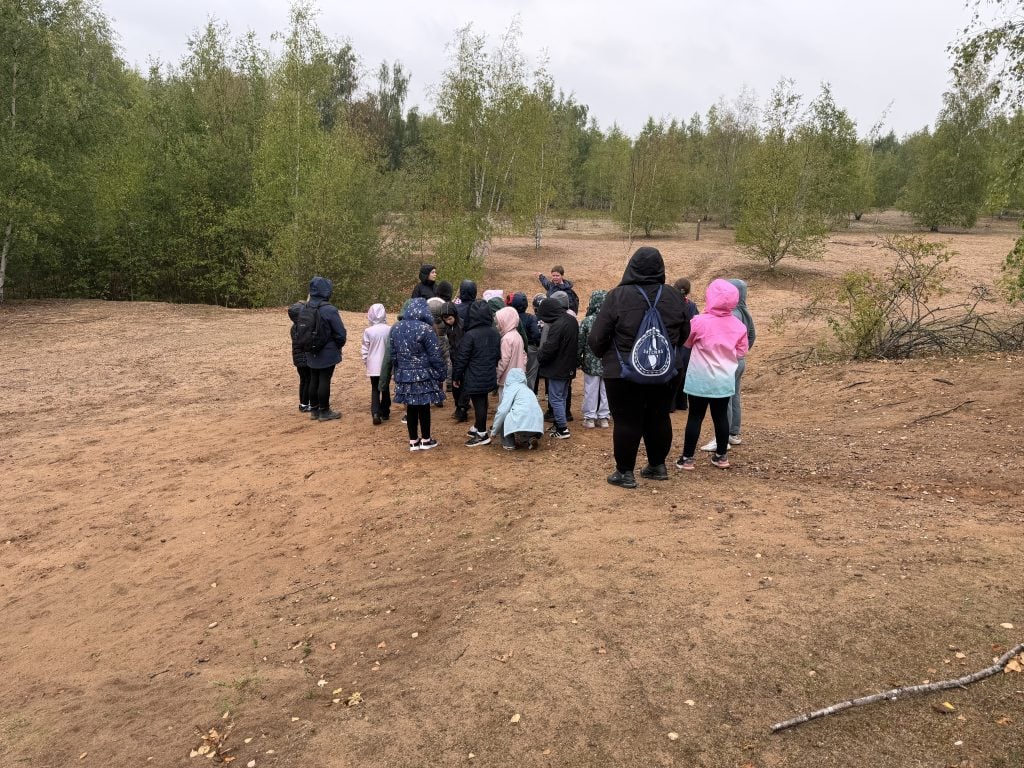
Interestingly, the following day I met up with Carcroft students who were visiting the Outdoor Centre at Austerfield and were building the skills of collaboration and teamwork to tackle an orienteering session on site. Students listened really carefully to the instructor and gave some brilliant responses to questions regarding map orientation and the points of the compass. The Guiding Question throughout the week had been endeavouring to answer was, ‘How can we work together to achieve our end goal?’ It was particularly noteworthy how Shannon, the class teacher, intervened and framed for students the activity and how it linked to both the Guiding Question and the building of culture through Crew. She reinforced the core principles of working with each other and how in previous days they had struggled to do this and as a result they had met with mixed results. She was hoping to see progress! It was heartwarming to see students dive into the activity and consciously work together to solve the clues to take them around the site. The weather was starting to turn but students just got on with the activity. If the focus remains on the power of Crew, and I have no reason to doubt this, then these students will certainly make great progress as they head through the year.
In the afternoon I headed over to Plover in the torrential rain and had the privilege to witness a gruelling but inspirational ‘tough runner’ activity at Plover. In spite of the weather all Year Groups and almost all students had participated in the activity. I was present for Y5 as they braved the rain to complete this fund raising Crew challenge. The commitment from students was outstanding – they fully embraced the assault course, which was tough I might add, in really difficult conditions. I was inspired by the way they just got stuck in.I spoke to Sergei from Year 5 and asked him, ‘What has this activity got to do with Crew?’ His response was both coherent and powerful. Watch the clip below:
The school have raised a significant total and this will be used to enhance fieldwork experiences for children across the school throughout the year. Plover students clearly showed courage but I was struck deeply by how this was underpinned by compassion.
On Thursday evening, I headed up to Ullswater with Geoff Hewitt from our Comms Team to capture the final day of our annual Year 7 Outward Bound experience for both XP Doncaster and XP Gateshead. Students had been engaging with the Guiding Question, ‘What Does it Mean to be Crew’ throughout the week and they had clearly faced trials, tribulations and triumphs. Some students had struggled with being away from home and had shown great resilience to overcome this; some students had found the activities physically challenging and had, with the support of Crew overcome this – what was clear was that students had grown over the course of the four days and they had viscerally experienced and therefore very quickly deepened their understanding of the purpose of Crew.
This is what Caleb from Y7 had to say about his experience,
These experiences help us to create life long memories that we can think back on in due time. In Crew we share our feelings as a team not how good or bad it can be. As a Crew we have certain Character Traits to help guide us and shape our future. These include respect, integrity, craftsmanship and quality, compassion and courage. We show these by being polite, working hard and showing kindness.
I never cease to be amazed by how powerful first week back is when we get it right. There are some key areas I saw that will always guarantee success. For example, activities that enable and facilitate the building of community and teamwork; staff making our Character Traits and HoWLs real by modelling them and highlighting and elevating these when students show them; and thorough debriefing of experiences to allow deep and meaning reflection upon our three dimensional approach and our culture of Crew.
First Week Back is a culturally defining moment at XP that has deep repercussions for our culture and the success of students both in terms of belonging and becoming active agents for positive social change.
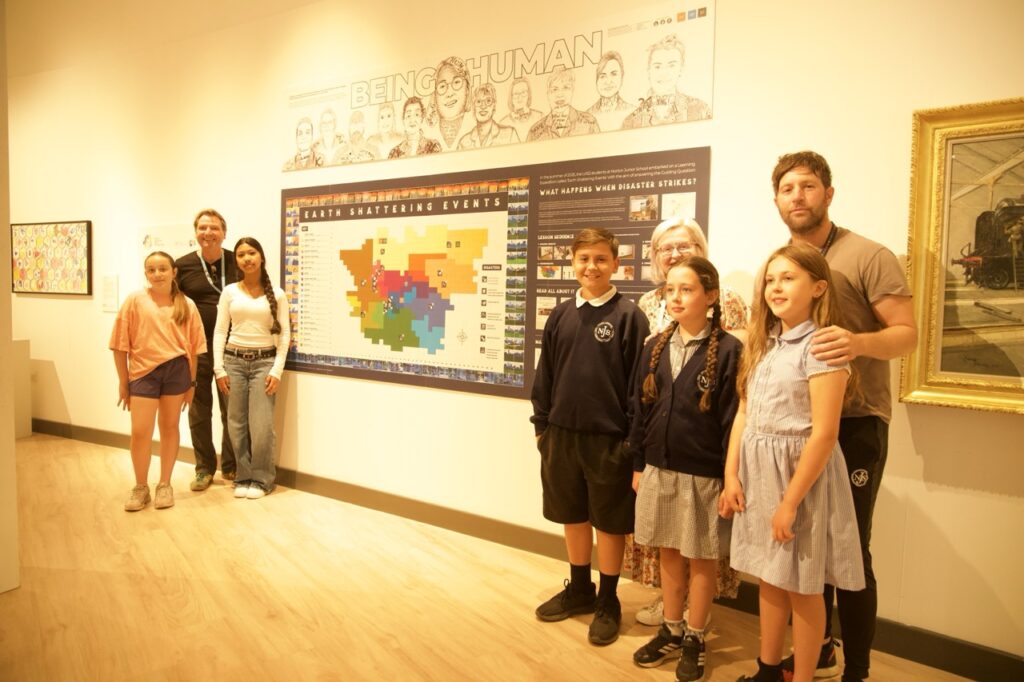
Yesterday I had the honour to visit Doncaster Museum and Art Gallery to view a new installation of student work from XP Doncaster and Norton Junior School. Student representatives from each school joined us to view the work they had produced, discuss this with the curator Neil McGregor and talk to Geoff from our Comms team about the agency and impact of their work.
In the summer of 2025, Years 3 and 4 students at Norton Junior School participated in a Learning Expedition answering the Guiding Question, “What happens when disaster strikes?”. The students explored the causes, preventative measures, and human impacts of both local and international disasters, ranging from fires in Florida to more local disasters like the flooding in Fishlake. As part of their work, they wrote newspaper reports about the 2019 Fishlake floods and applied mathematical concepts of area to co-create a scaled map of Doncaster bordered by disaster-themed artwork. This work now takes pride of place in the Art gallery and in the Frenchgate centre.
The “Being Human” Expedition that is featured in the gallery saw our Year 8 students explore the powerful and important question, “What does it mean to be human?” through an interdisciplinary project spanning Science, Art, History, Geography, and English. Students integrated complex biological concepts with critical inquiries into history and ethics, ultimately synthesising their learning by creating micrography portraits of local healthcare workers to celebrate compassion and resilience. The project culminated in a legacy art exhibition that fostered a deeper understanding of identity, heritage, and the shared human experience. This work was shared with the subjects to display in their work places to honour the important work healthcare workers do every day.
Students were thrilled to see their work on display Sanvii commented, “Honestly, as soon as I saw my art piece, my jaw dropped instantly. I think it’s just crazy that we can even have work up in a gallery.” Mathilda built on this, “You come to this art gallery and think that, oh my gosh, these artists are so amazing. And to think that artwork that we’ve done is now up in an art gallery is just amazing.”
The exhibition is available to view at the gallery for the rest of July and into August – I strongly recommend you visit and enjoy the rest of the exhibits and the museum.
I’d like to thank DGLAM and Neil McGregor, in particular, for his support in allowing our young people to display their beautiful work.
*STOP PRESS*
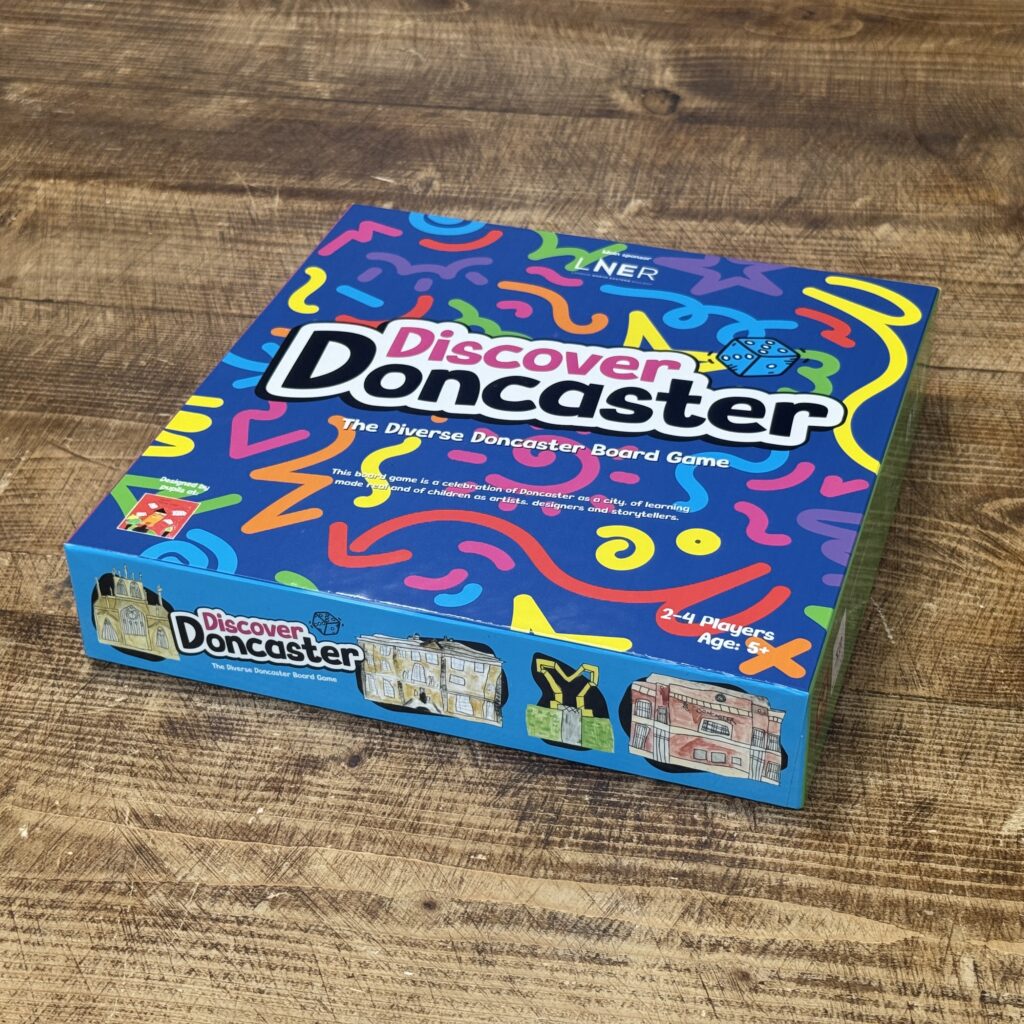
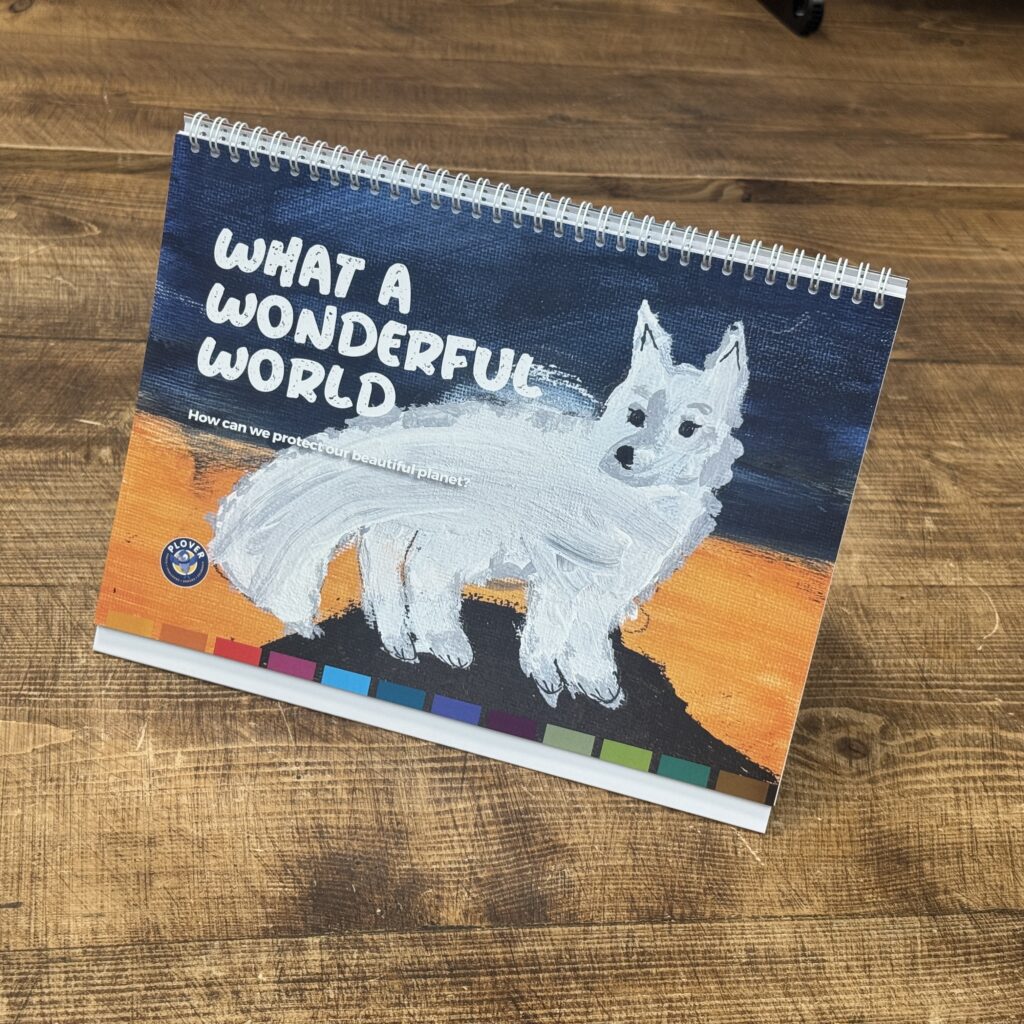
What an uplifting end to the term. Just as I was about to leave for the holidays, two wonderful products were placed in my hands. The first was an absolutely stunning game designed and created by Key Stage One pupils at Norton based on Doncaster and sponsored by LNER. The game takes players on a journey through our city! It is full of authentic, high quality work… And then a beautiful undated calendar, designed so that it can be reused, arrived. This was created by Lower Key Stage Two pupils at Plover and again is crammed with beautiful artwork, handwritten poetry, scientific facts and letters. All designed to answer the Guiding Question, ‘How Can We Protect Our Beautiful Planet?’
It is an honour and privilege to work in a place that elevates beautiful work, grows character and has high expectations of the young people we care for.
At XP Trust, we believe that education should be an expedition, one that challenges students to create beautiful work, build strong character, and make a meaningful impact on the world. Over the last academic year, from autumn to summer, our schools have been alive with purposeful learning, artistic expression, and inspiring community action.
Here is a look back at just some of the incredible highlights that defined our collective journey this academic year:
Bringing Creativity to Life
Creative expression flourished across our primary and secondary schools this year, culminating in public celebrations that brought our communities together.
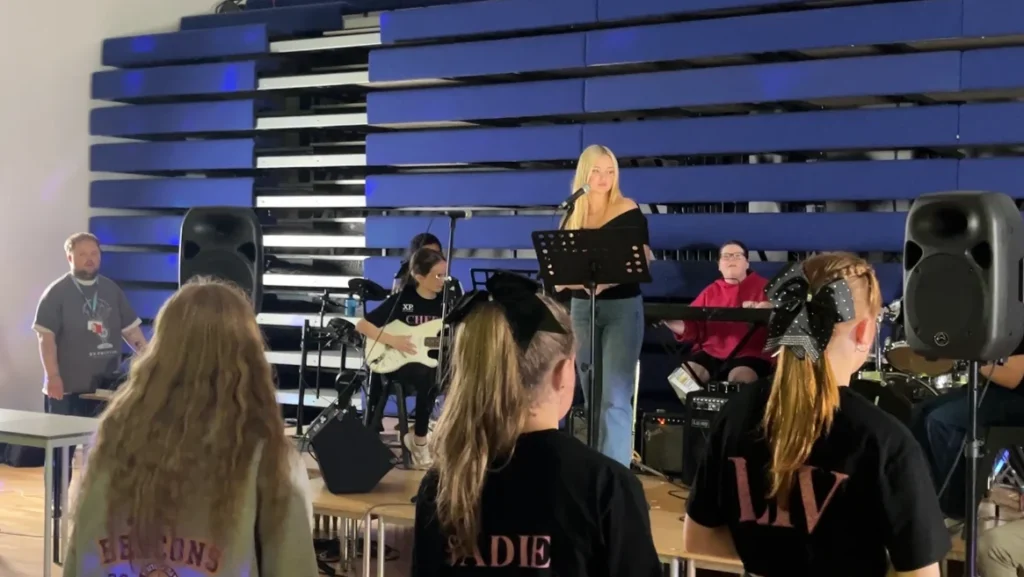
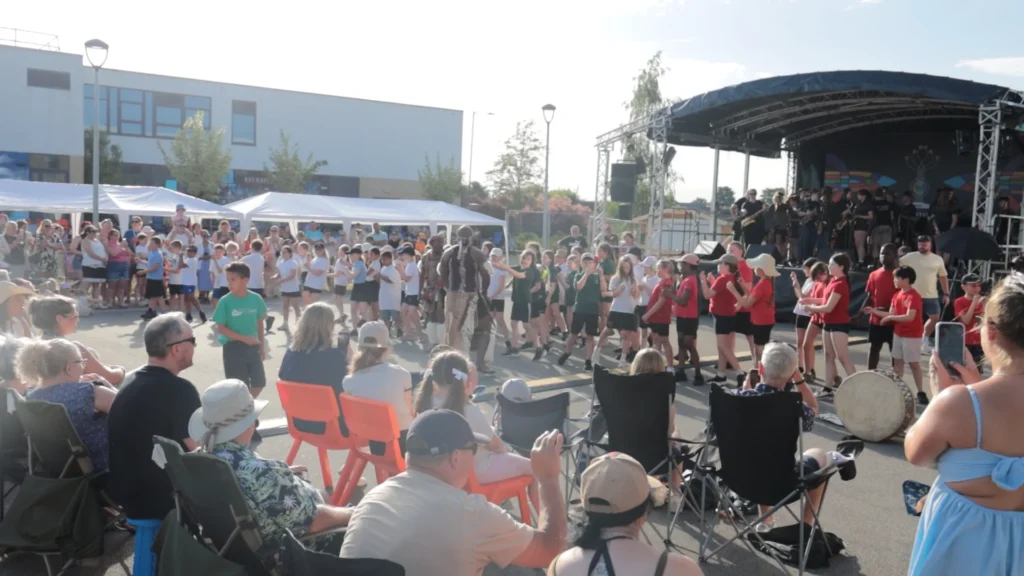
The Festival of Arts and Culture: Our third annual festival was a roaring success. Braving soaring summer temperatures, students and partners from across the entire Trust showcased stunning talents and celebrated the deep character that underpins our schools.
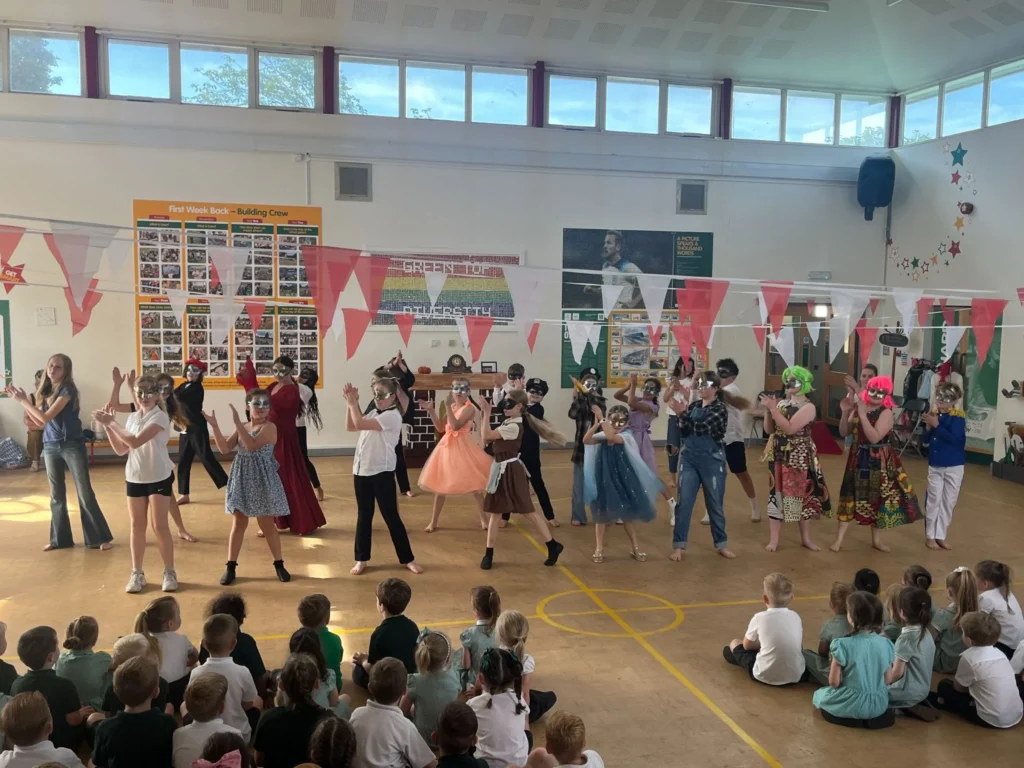
When Cinders Met Sherlock: Building on past theatrical successes, the talented pupils at Green Top School delivered a groundbreaking community performance that blended storytelling, creativity, and joy.
The Farrell Centre Takeover: In winter, Year 9 students from XP Gateshead took their learning into the real world. They hosted a powerful public Presentation of Learning (PoL) for their expedition, ‘Another Brick…’, right in the heart of the Farrell Centre at Newcastle University.
Real-World Learning and Deep Expeditions
Our Learning Expeditions connect academic rigour to global issues, challenging students to think deeply about the world they inherit and the way they want the world to be. Our Curriculum Seams of ‘Protecting Our Planet,’ ‘Standing for Social Justice’ and ‘Cultivating Diversity and Belonging have shone through in Learning Expeditions this year making the learning authentic and filled with positive student agency.
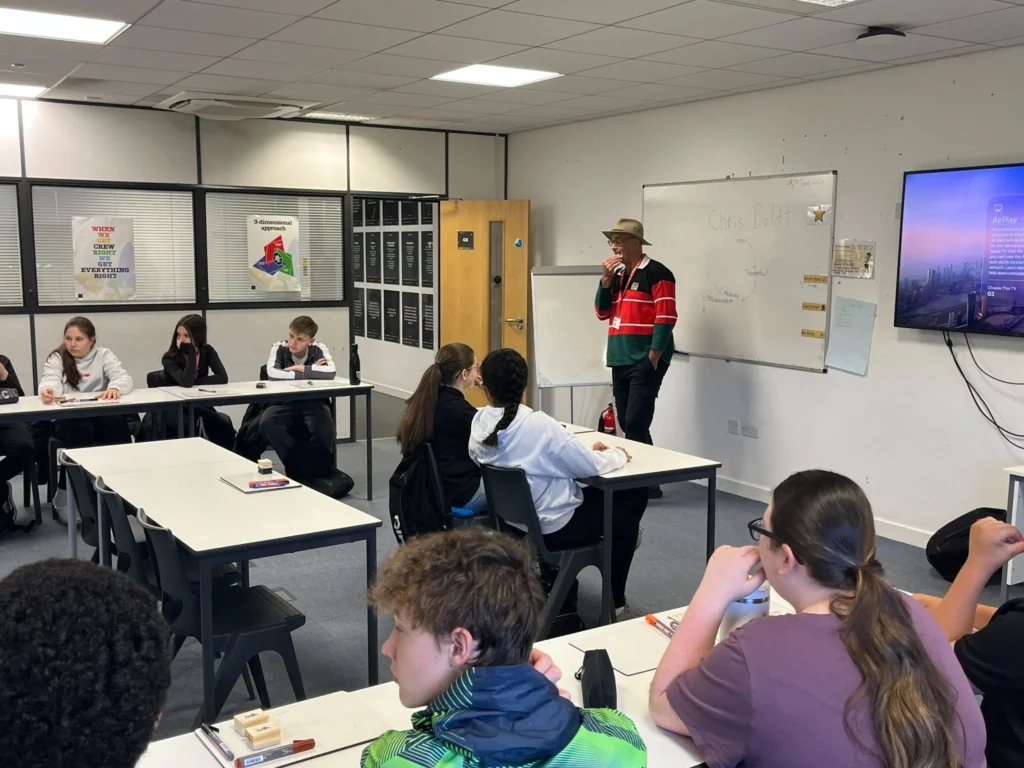
Exploring Identity and Migration: Year 8 students at XP Doncaster and Gateshead engaged with long-time partner Scott Boldt. Through his personal stories of Chicago and Belfast, students grappled with profound questions: Is migration worth the risk? What does “home” mean?
The Power of Passage Presentations: At XP, we make our work public through reflective performances. In March, Year 9 students at XP Gateshead took part in their Passage Presentations, a formal, public rite of passage where they held themselves rigorously accountable for their own academic and personal growth.
Lungs of the World: Focusing on Protecting Our Planet, pupils at Plover School in Year 5 and 6 built bird boxes for a local nature trail, while Norton Juniors created animal soft toys and storybooks about deforestation to educate younger children and raise money for a donkey sanctuary.
This Land is Our Land: Year 7 students at XP Doncaster and XP Gateshead linked history, science, and art to study local history across four distinct eras, producing compiled books that were presented to parents at Seven Stories, the national children’s book museum.
Coming to Doncaster: Students at Carcroft School from Year 3 and 4 researched the Roman conquest and its local impact, creating an interactive activity sheet that is now actively used by young visitors at Murton Park.
Not All Heroes Wear Capes: Key Stage 1 pupils at Green Top hosted the child-led “Pride of Thorne” event to celebrate everyday local heroes, while Norton Infants students organized a museum-style exhibition and published an annual-style book featuring student artwork, reflections, and pledges.
Crew Spirit and Community Activism
“We are Crew, not passengers, strengthened by acts of consequential service to others.” This core ethos was on display through remarkable acts of community stewardship and personal perseverance.
The students of Crew Godley at Carcroft School stepped up as true environmental activists. They rolled up their sleeves to transform a vacant, underused outdoor space into a stunning and vibrant eco-garden.
My visits to all our schools highlighted that a kind, rigorous, and supportive Crew culture is embedded into the very walls of our establishments, that you feel the moment you step through the door.
Milestones, Media, and Looking Forward
This year was also a time to celebrate our history, share our stories, and prepare for the future.
We have been working for the past eighteen months on two celebratory publications. Firstly, to celebrate over ten years of Crew, we launched a special documentary trailer and invited our community to share their personal stories of how Crew has shaped and continues to shape their lives. Secondly, a comprehensive book celebrating ‘Ten Years of Beautiful Work from across the Trust has been sent to print and will be ready to enjoy at the start of the new term!
Student-Led Publications: Two Year 10 work experience students from XP Doncaster, Alex and Holly, did incredible work helping to engineer and elevate the pilot editions of our trust-wide magazine, XP Unpacked.
Global Perspectives: Our trust-wide philosophy traveled across continents. Trust leadership engaged in purposeful, global partnership work spanning two weeks across California and Catalonia, bringing back valuable perspectives to enrich our local practices.
Evolving Our Practice: We continued to sharpen our tools. Our staff gathered to review, revise, and reprint our Curriculum Core Practices, ensuring our educators have the best foundation to design high-quality expeditions. We also looked ahead by opening applications for our next innovative Jeff Tech High programme.
As we reflect on these moments, we are continually reminded of what happens when we expect more from our young people.
By holding ourselves to high standards of beautiful work and compassionate character, the students and staff of XP Trust continue to prove that together, we can change our communities for the better.
Thank you to every student, staff member, parent, and partner who made this year so beautiful! I hope you have a peaceful and well deserved summer break.
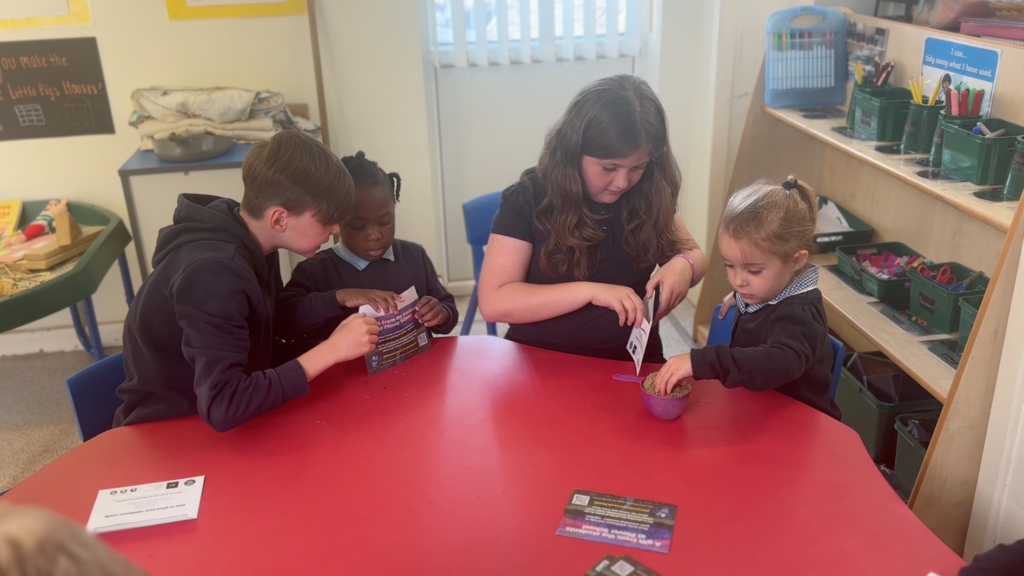
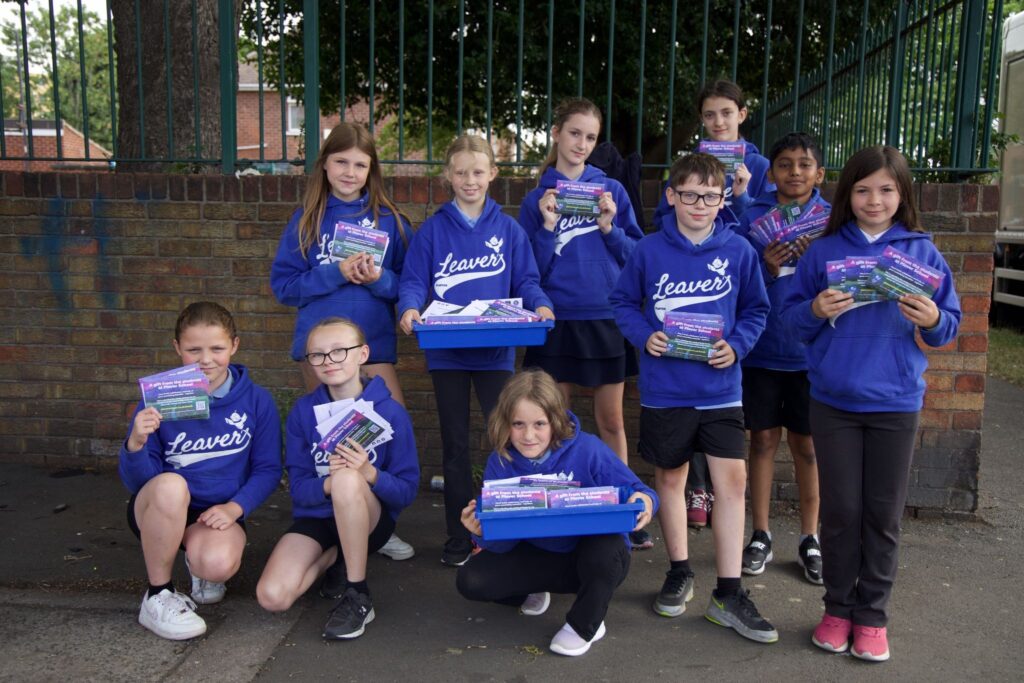
At Plover School, our students have joyfully kicked off a beautiful new initiative called Planting the Seeds of Crew. As the first school in our Trust to launch this campaign, our young people have been pouring their hearts into packing special envelopes with a locally sourced, bee-friendly wildflower and grass seed mix. Each of these little packets is designed as a heartfelt gift to our community, complete with simple planting instructions, a warm message of care, and a QR code linking back to our school’s story.
Taking their work out into the world, our Crews have been eagerly walking their local routes to distribute these seeds directly to our neighbours. The students have been busy popping packets through letterboxes and even stepping into local shops, courageously and kindly asking business owners if they would display a handful on their counters for customers to take for free. It has been an incredible way for our young people to spark conversations, build connections, and share a genuine gesture of kindness with the people living and working right on our doorstep.
This joyful act of public service connects perfectly to our Protecting Our Planet curriculum seam, giving students a hands-on opportunity to act as true stewards of their environment. By preparing and sharing these wildflower seeds, they are actively working together as a Crew to do something deeply meaningful and long-lasting for their community. It is a shining example of how our children combine service and sustainability, literally planting the seeds of compassion, character, and respect across our local area.